

Revenue, 2025
$ 59.3 Bn
Forecast, 2035
$106.6 Bn
CAGR, 2026-2035
6.8%
Report Coverage
Global
Market Size and Forecast
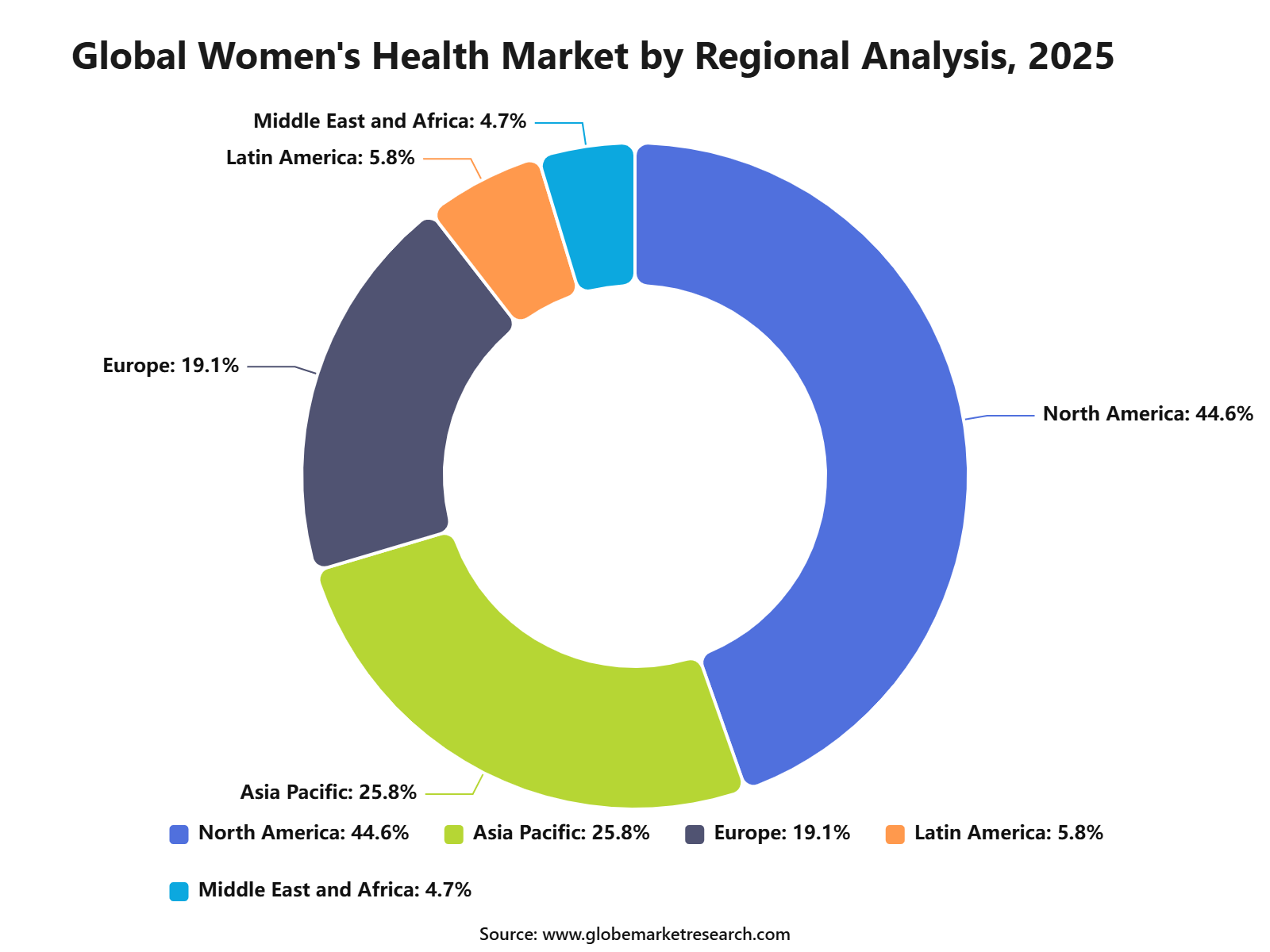
The Global Women’s Health Market was worth USD 59.3 billion in 2025 and is expected to reach USD 106.6 billion by 2035, growing at a CAGR of 6.8% from 2025 to 2035. Based on this growth rate, the market is estimated to reach around USD 64.0 billion in 2026. North America held the largest regional share of 44.6% in 2025, valued at USD 26.4 billion, and is expected to grow at a CAGR of 6.5%, supported by advanced healthcare access, strong awareness of reproductive health, higher use of prescription therapies, and rising demand for preventive women’s care.
Key Parameter | Report Details |
|---|---|
Market Revenue, 2025 | USD 59.3 Billion |
Projected Revenue, 2035 | USD 106.6 Billion |
CAGR, 2025-2035 | 6.8% |
Largest Region | North America, 44.6% Share, USD 26.4 Billion, 6.5% CAGR |
Market Concentration | Medium |
Base Year | 2025 |
Forecast Period | 2025-2035 |
The Women’s Health Market includes products, services, diagnostics, drugs, devices, and digital health solutions focused on female health needs across different life stages. These include contraceptives, hormonal therapies, fertility care, pregnancy and maternal health solutions, menopause treatments, osteoporosis care, gynecological disease management, breast health, cervical cancer screening, and wellness-focused healthcare services. Demand is supported by continued use of reproductive health products, as CDC data showed that 54.3% of U.S. females aged 15 to 49 were using a contraceptive method in 2022 to 2023.
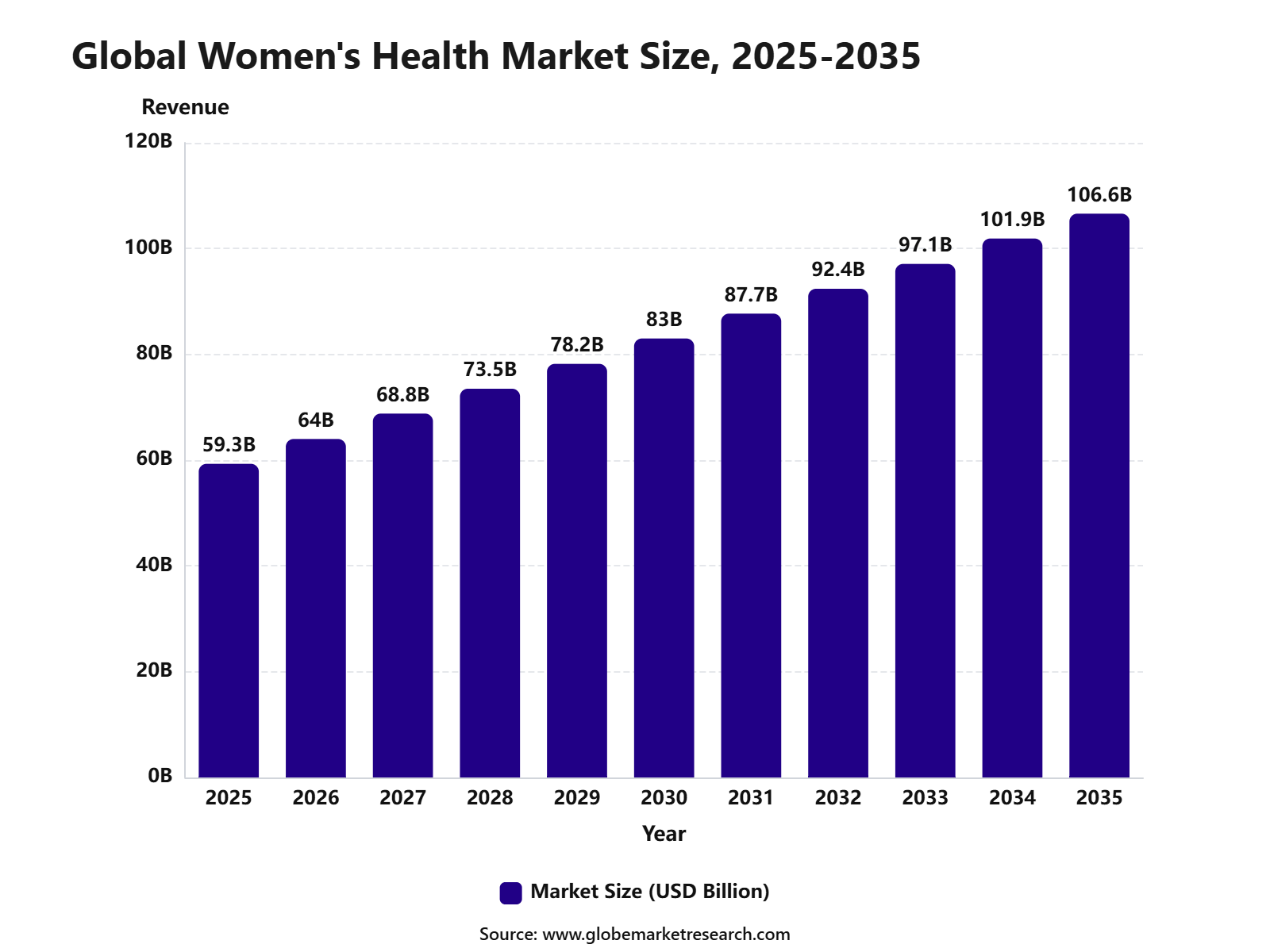 iThe graph shows projected market growth until 2035 based on CAGR analysis. Actual outcomes may vary depending on changing demand, competition, and economic factors.To gain greater insights - request a sample report PDF
The market outlook remains positive as healthcare systems place greater focus on early diagnosis, preventive care, fertility planning, maternal health, and age-related women’s health conditions. Growth can be attributed to rising awareness of cervical cancer prevention, breast health, menopause care, hormonal treatment, and digital health platforms for women. The need for improved care remains strong, as WHO reported about 260,000 maternal deaths worldwide in 2023, while cervical cancer continues to create a major disease burden among women globally. These factors are expected to support long-term demand across pharmaceuticals, diagnostics, devices, telehealth, and specialty women’s health clinics.
Key Market Insights
Contraceptives led the application segment with 35.5% share, supported by rising awareness of reproductive health, wider access to family planning products, and increasing demand for effective birth control solutions.
Hormonal therapies accounted for 42.7% share by drug class, driven by their strong use in contraception, menopause management, menstrual disorders, fertility support, and hormone-related treatments.
Women below 50 years held 49.8% share by age group, supported by higher demand for reproductive care, menstrual health products, fertility solutions, pregnancy-related care, and preventive health services.
Retail pharmacies captured 46.1% share by distribution channel, driven by easy product access, prescription availability, OTC women’s health products, and strong consumer preference for nearby pharmacy purchases.
North America led the women’s health market with 44.6% share, valued at USD 26.4 billion in 2025, and is projected to grow at a CAGR of 6.5%, supported by advanced healthcare access, strong awareness of women’s health conditions, and wider adoption of preventive care.
Application Insights
Contraceptives led the application segment with 35.5% share. The segment remained ahead because contraception is a core part of women’s healthcare, covering oral pills, implants, injectables, intrauterine devices, emergency contraception, and barrier methods. The demand for contraceptives is being supported by rising focus on reproductive planning, birth spacing, menstrual cycle management, and access to family planning services.
UNFPA’s 2025 family planning update stated that 259 million women who want to avoid pregnancy are not able to use safe and effective modern contraceptive methods, showing a major access gap that continues to support product and service demand. The segment is also supported by policy-level attention to reproductive health. In 2025, UNFPA highlighted that contraceptive access helps prevent unintended pregnancies, unsafe abortions, and maternal deaths, which keeps contraception at the center of women’s health programs.
Drug Class Insights
Hormonal therapies led the drug class segment with 42.7% share. The segment remained dominant because hormonal treatments are used across contraception, menopause care, menstrual disorders, fertility support, and hormone-related gynecological conditions. In 2026, the FDA approved labeling changes for menopausal hormone therapy products.
The agency removed certain risk statements from boxed warnings for selected products and noted approved uses for moderate-to-severe hot flashes, vaginal dryness and discomfort, and prevention of bone loss. This update is important for the hormonal therapies segment because it may improve confidence among patients and healthcare professionals. It also supports more informed treatment discussions for menopause symptoms, which remain a major part of women’s midlife healthcare needs.
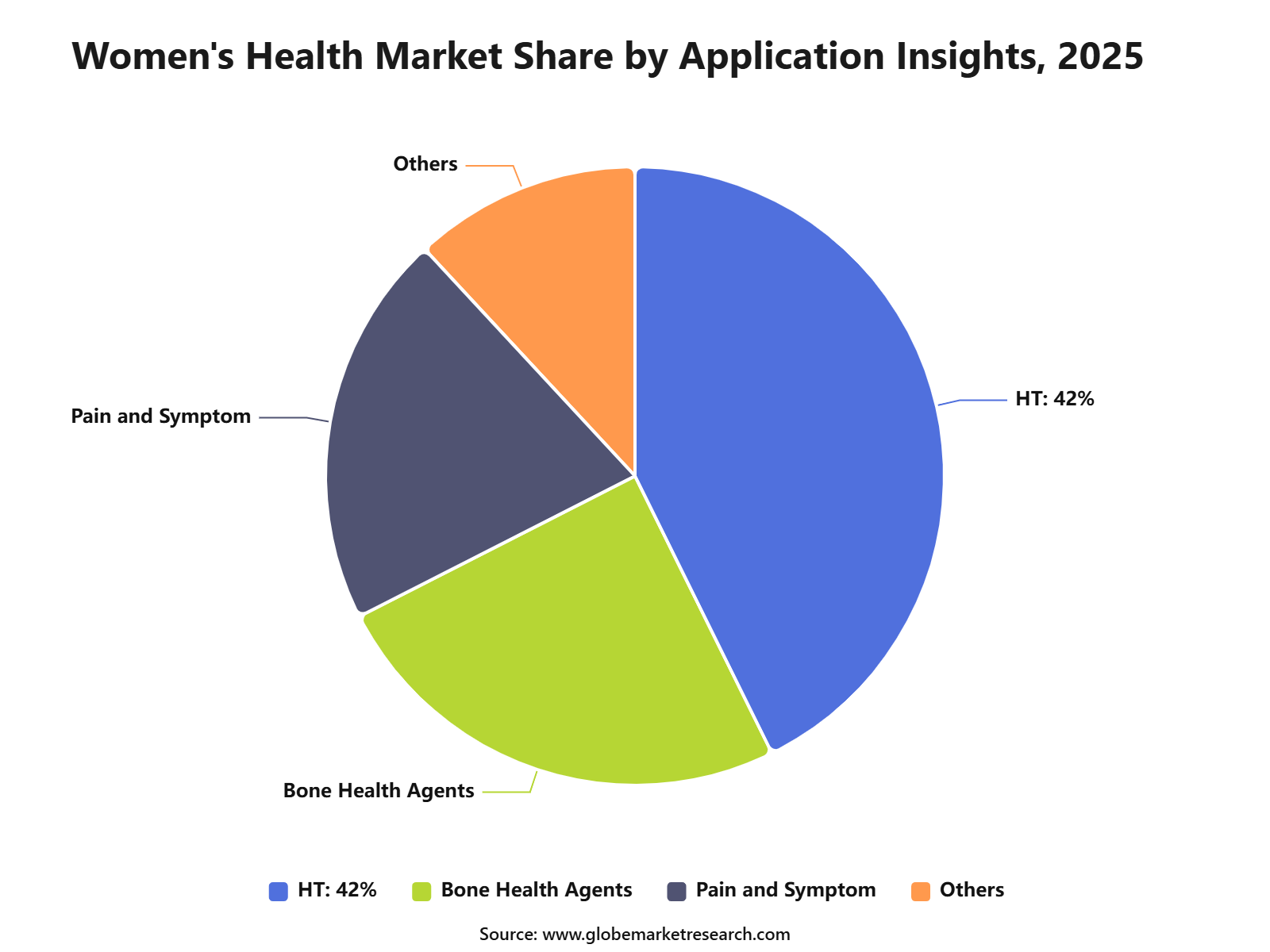 iThe graph shows projected market growth until 2035 based on CAGR analysis. Actual outcomes may vary depending on changing demand, competition, and economic factors.To gain greater insights - request a sample report PDF
Age Group Insights
Below 50 years accounted for 49.8% share. This age group remained a key demand base because women below 50 commonly require contraception, fertility care, pregnancy-related support, menstrual health management, and preventive gynecological services. The segment is supported by the continued importance of reproductive-age care. UNFPA’s 2025 update noted that family planning includes contraceptives, infertility care, fertility-awareness methods, and information for people who want to become pregnant, which directly supports demand among younger and mid-age women.
Women below 50 are also more likely to use repeated healthcare services for conditions such as endometriosis, polycystic ovary syndrome, abnormal uterine bleeding, cervical health concerns, and fertility-related issues. This makes the age group important for medicines, diagnostics, digital health tools, pharmacy access, and specialist consultations.
Distribution Channel Insights
Retail pharmacy led the distribution channel segment with 46.1% share. The segment remained strong because many women’s health products are repeat-use or prescription-led, including contraceptives, hormonal therapies, prenatal products, pain relief medicines, and treatment products for gynecological conditions. Retail pharmacies are important because they provide medicine access close to communities.
In 2026, NACDS stated that chain pharmacies operate approximately 32,000 pharmacy locations in the U.S., which shows the wide reach of pharmacy-based access for patients. The channel is also supported by the need for refills, pharmacist guidance, affordability, and convenient access. For women managing long-term or recurring health needs, retail pharmacies remain a practical point of care between doctor visits.
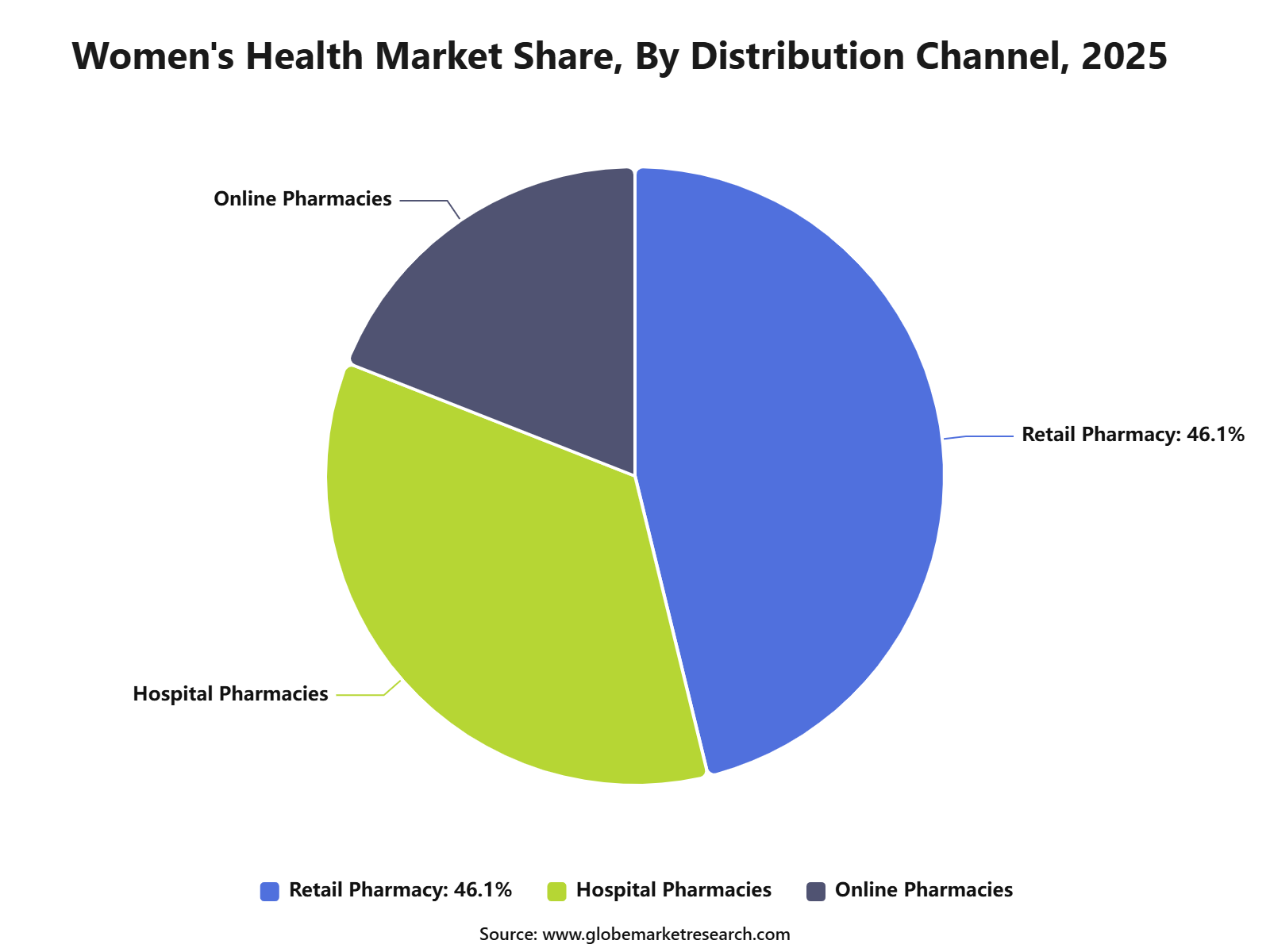 iThe graph shows projected market growth until 2035 based on CAGR analysis. Actual outcomes may vary depending on changing demand, competition, and economic factors.To gain greater insights - request a sample report PDF
Regional Insights
North America dominated the regional segment with 44.6% share, supported by strong healthcare access, higher awareness of women’s health conditions, and broad prescription-based treatment use. The region is being supported by active policy and regulatory attention.
How Big is the North America Women's Health Market Size?
The North America Women’s Health Market is a large and well-established market, supported by high healthcare spending, strong awareness of preventive care, and wider access to advanced treatment options. The North America Women’s Health Market was valued at USD 26.4 billion in 2025 and is estimated to reach USD 28.1 billion in 2026. The market is expected to grow to approximately USD 49.6 billion by 2035, registering a CAGR of 6.5% from 2025 to 2035.
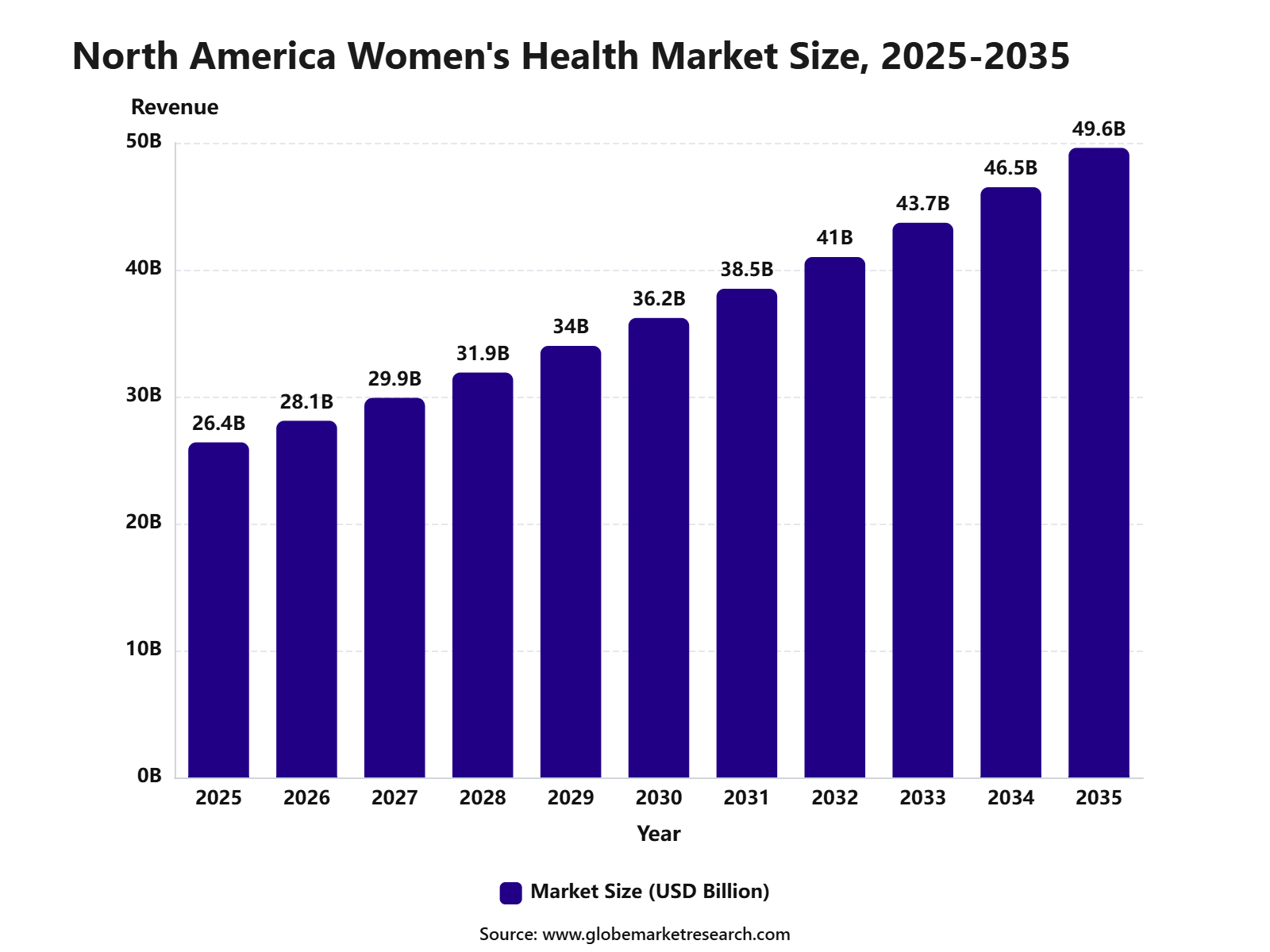 iThe graph shows projected market growth until 2035 based on CAGR analysis. Actual outcomes may vary depending on changing demand, competition, and economic factors.To gain greater insights - request a sample report PDF
In 2026, the U.S. Office on Women’s Health used the theme "Prevention, Innovation, and Impact: A New Era in Women’s Health" with focus areas including hormone therapy, heart health, bone and muscle health, and better health outcomes. North America also benefits from stronger research, pharmacy infrastructure, and regulatory activity in women’s health. The FDA’s 2026 hormone therapy labeling changes and the large U.S. retail pharmacy network continue to support access to women’s health medicines and related care services.
 iThe graph shows projected market growth until 2035 based on CAGR analysis. Actual outcomes may vary depending on changing demand, competition, and economic factors.To gain greater insights - request a sample report PDF
Segment Covered in the Report
By Application
Contraceptives
Osteoporosis
Menopause
Infertility
Others
By Drug Class
Hormonal Therapies
Bone Health Agents
Pain and Symptom Management
Others
By Age Group
Below 50 Years
50 Years and Above
By Distribution Channel
Hospital Pharmacies
Retail Pharmacies
Online Pharmacies
By Region
North America
Europe
Asia Pacific
Latin America
Middle East and Africa
Drivers Impact Analysis
The Women’s Health Market is driven by rising awareness of reproductive health, higher diagnosis of hormonal disorders, increasing use of prescription therapies, growing preventive care, and stronger demand for contraception, fertility support, menopause care, and gynecological treatments. Women are seeking earlier diagnosis and better treatment access across every life stage.
North America leads the market because of advanced healthcare infrastructure, strong access to prescription drugs, higher screening rates, and better awareness of women-focused health conditions. The region’s 6.5% CAGR shows steady demand for reproductive health, hormonal therapies, preventive care, and chronic condition management.
Impact Factor | Estimated CAGR Impact | Regional Relevance | Market Impact |
|---|---|---|---|
Rising reproductive health awareness | +1.8% | North America, Europe, Asia Pacific | Drives core treatment demand. |
Higher use of prescription therapies | +1.5% | U.S., Canada, Europe | Supports pharmaceutical growth. |
Growth in preventive women’s care | +1.3% | North America and developed markets | Improves early diagnosis. |
Expanding menopause and hormonal care | +1.1% | Aging female population markets | Builds long-term demand. |
Increasing fertility and maternal health focus | +0.9% | Urban healthcare markets | Supports specialized services. |
Restraints Impact Analysis
The market faces restraints from high treatment cost, unequal healthcare access, social stigma around reproductive health, and limited awareness in underserved regions. Many women still delay care due to affordability, privacy concerns, or lack of specialized providers.
Another restraint is regulatory sensitivity around hormonal drugs, fertility products, and reproductive health therapies. Safety monitoring, prescription controls, and policy differences can slow product adoption across different countries.
Impact Factor | Estimated CAGR Impact | Regional Relevance | Market Impact |
|---|---|---|---|
High cost of specialized treatments | -0.9% | North America, Europe, urban Asia | Limits access for some patients. |
Unequal access to women’s healthcare | -0.8% | Rural and emerging regions | Slows diagnosis and treatment. |
Social stigma around reproductive care | -0.7% | Developing and conservative markets | Reduces care-seeking behavior. |
Regulatory sensitivity of therapies | -0.6% | U.S., Europe, Japan | Adds approval and compliance burden. |
Shortage of specialized providers | -0.5% | Rural and underserved regions | Restricts service availability. |
Opportunities Impact Analysis
Opportunities are strong in contraceptives, hormonal therapies, fertility treatment, menopause care, osteoporosis management, gynecological drugs, digital women’s health platforms, and preventive screening solutions. These areas benefit from rising healthcare awareness and growing demand for personalized care.
Higher-value opportunities are also emerging in FemTech, telehealth, at-home diagnostics, digital fertility tracking, and prescription-based care models. Companies that combine clinical credibility with easier access and patient education can capture stronger long-term growth.
Impact Factor | Estimated CAGR Impact | Regional Relevance | Market Impact |
|---|---|---|---|
Contraceptive product expansion | +1.7% | North America, Europe, Asia Pacific | Builds reproductive health demand. |
Hormonal therapy growth | +1.4% | U.S., Canada, Europe | Supports treatment-led revenue. |
Menopause care innovation | +1.2% | Aging female populations | Adds high-value demand. |
Fertility and reproductive care services | +1.0% | Urban and premium healthcare markets | Expands specialized care. |
Digital women’s health platforms | +0.8% | North America, Europe, urban Asia | Improves access and engagement. |
Challenges Impact Analysis
The main challenge is delivering accessible women’s healthcare across income groups, age groups, and geographies. Advanced products and therapies are available in developed markets, but affordability and availability remain weaker in many emerging regions.
Another challenge is building trust and improving patient education. Women’s health conditions such as endometriosis, PCOS, menopause symptoms, infertility, and reproductive disorders are often underdiagnosed or discussed late, which affects treatment timing and outcomes.
Impact Factor | Estimated CAGR Impact | Regional Relevance | Market Impact |
|---|---|---|---|
Late diagnosis of women’s health conditions | -0.8% | Global healthcare systems | Delays treatment demand. |
Affordability barriers | -0.7% | Emerging and uninsured populations | Limits therapy uptake. |
Low patient education in some regions | -0.6% | Rural and underserved markets | Reduces preventive care use. |
Fragmented care pathways | -0.5% | Multi-provider healthcare systems | Creates treatment gaps. |
Limited access to specialists | -0.4% | Rural and low-resource regions | Restricts quality care. |
Go-to-Market and Sales Economics
According to Globe Market Research, the Women’s Health Market go-to-market approach should focus on lifecycle-based care, including contraception, fertility, pregnancy, menopause, gynecological disorders, breast health, sexual health, and preventive screening. Demand is being supported by rising awareness, wider employer benefits, new drug approvals, and better diagnostic access. In 2026, Hologic reported that about 1.5 billion adult women worldwide had missed essential health screenings in the past year, highlighting a major opportunity for diagnostics and preventive care providers.
Sales economics are shifting toward integrated care models rather than single-product selling. Pharmaceutical companies, diagnostic firms, fertility clinics, digital platforms and employer benefit providers are expanding across multiple women’s health needs to improve retention and lifetime value. Hologic reported USD 1,047.8 million in Q1 fiscal 2026 revenue, with Breast Health revenue of USD 375.9 million and Surgical revenue of USD 180.8 million, showing the commercial strength of diagnostics, imaging and gynecological procedure technologies.
The strongest commercial route is expected to come from therapies and services that address underdiagnosed or underserved conditions. Menopause is becoming a high-growth care area after the FDA approved Bayer’s Lynkuet in 2025 as a non-hormonal treatment for moderate to severe hot flashes linked to menopause. Reuters reported that the drug was priced at a wholesale level of USD 625 per month, while Bayer is targeting at least USD 1 billion in peak annual sales, showing how unmet needs in menopause care are becoming commercially important.
Revenue Potential Analysis
Revenue Landscape Across
Revenue potential is spread across contraceptives, fertility treatments, menopause therapies, maternal health, breast imaging, gynecological surgery, STI testing, pelvic health, digital health apps, employer fertility benefits and preventive screening programs. Fertility and reproductive care remain important because the U.S. provisional number of births declined to 3,606,400 in 2025, while the general fertility rate stood at 53.1 births per 1,000 women aged 15 to 44. This supports demand for fertility planning, assisted reproduction, pregnancy support and reproductive health services.
Diagnostics and preventive care represent one of the largest revenue channels because screening gaps remain wide across both developed and emerging healthcare systems. The Hologic Global Women’s Health Index Year 5 report covered women’s health experiences across 144 countries and territories, showing that progress in preventive care remains uneven. This creates revenue opportunities for mammography systems, cervical cancer screening, STI tests, diabetes screening, hypertension checks and digital follow-up platforms.
Women’s health innovation funding is also improving the revenue base for digital and AI-enabled care. SVB’s 2026 women’s health investment report stated that women’s health companies attracted USD 2 billion in investment in 2025, while AI-enabled women’s health companies had a median pre-money valuation of USD 35 million. This supports commercialization of hormone tracking, cycle monitoring, virtual care, menopause support, fertility navigation and personalized care platforms.
Financial Impact
The financial impact of the Women’s Health Market is linked to early diagnosis, better treatment access, reduced care gaps and stronger long-term patient engagement. Maternal health remains a major public health and commercial care priority, as WHO reported that about 260,000 women died during and after pregnancy and childbirth in 2023, with around 92% of maternal deaths occurring in low and lower-middle-income countries. This supports demand for prenatal care, risk monitoring, obstetric diagnostics, postpartum services and digital maternal health tools.
Company performance shows that women’s health revenue can be attractive, but product concentration and channel changes can create short-term pressure. Organon reported that its Women’s Health revenue declined 16% as reported in Q1 2026, mainly reflecting challenges in key portfolio areas. This highlights the need for diversified portfolios across contraception, fertility, menopause and biosimilar-linked women’s care rather than dependence on a few major products.
Recent Developments
Market News
In January 2026, Organon received U.S. FDA approval to extend NEXPLANON use from three years to up to five years, supported by trial data showing no pregnancies during years four and five and no new safety findings.
In January 2026, Maven Clinic launched its Clinical Research Institute to build and share evidence on digital care for women and families.
In February 2026, the U.S. FDA approved labeling changes for six menopausal hormone therapy products, removing boxed warning risk statements related to cardiovascular disease, breast cancer, and probable dementia.
In May 2026, Maven Clinic expanded its direct-to-consumer virtual care platform across the U.S., adding access to more than 30 specialties, hormone care, and GLP-1 care designed for women.
In June 2026, Xella Health launched an AI-powered women’s health diagnostics platform designed to detect more than 130 often-misdiagnosed women’s health conditions.
Acquisitions
In March 2026, Gedeon Richter acquired Celmatix’s women’s health discovery portfolio, adding programs across infertility, endometriosis, and ovarian aging.
In April 2026, Sun Pharma signed a definitive agreement to acquire Organon in an all-cash deal valued at USD 11.75 billion, strengthening its global position in women’s health, biosimilars, and specialty medicines.
In April 2026, Noom acquired Tailor Made Compounding to expand beyond weight health into preventive care, healthy aging, and hormonal health offerings.
In June 2026, Elation Health acquired Aster, an AI-native EHR focused on women’s health, to expand agentic AI capabilities in primary care workflows.
In June 2026, WPS acquired Mavida Health to expand digital mental health care and community support for women and families navigating reproductive life stages.
Funding
In January 2026, Pinky Promise raised USD 1 million in pre-seed funding to expand its AI-enabled women’s health digital clinic in India.
In February 2026, Midi Health raised USD 100 million in Series D funding at a valuation above USD 1 billion to scale its perimenopause and menopause care platform.
In March 2026, Malama Health raised USD 9.2 million to scale doula-led maternal care for Medicaid populations.
In April 2026, Flora Fertility raised USD 5 million in seed funding to build individually owned fertility insurance that is not tied to employer benefits.
In April 2026, Future Fertility raised USD 4.1 million in Series A funding to scale AI-powered egg quality assessment for IVF and egg freezing.
In June 2026, Clair Health raised USD 11.6 million in seed funding to build a noninvasive wearable designed to track women’s hormones.
Competitive Landscape
The market is characterized by intense competition among established players and emerging companies. Strategic partnerships, mergers and acquisitions, and product innovation are key strategies employed by market participants.
Key Market Players
Bayer AG
AbbVie Inc.
Organon & Co.
Pfizer Inc.
Theramex
Agile Therapeutics, Inc.
Amgen Inc.
Ferring Pharmaceuticals
Blairex Laboratories, Inc.
Apothecus Pharmaceutical Corp.
Johnson & Johnson
Merck & Co., Inc.
Eli Lilly and Company
Novo Nordisk A/S
Sanofi
Other Key Players
Research Methodology
This market study is prepared using a combination of primary and secondary research. Primary research includes discussions with manufacturers, suppliers, distributors, consultants, industry experts, and end users. Secondary research covers company reports, government databases, trade associations, technical publications, regulatory sources, and trusted industry documents. The collected information is used to assess market demand, pricing trends, technology adoption, competitive activity, and regional performance.
AI language models are not used as primary data sources, and publicly available AI-generated content is not treated as market evidence. Computational tools may be used to support data processing, translation, data classification, and pattern identification. However, every published assessment is supported by verified sources, human review, and primary market discussions.
Market estimates are developed through top-down and bottom-up approaches and validated using data triangulation. Revenue, production, shipment, pricing, and application-level data are compared across multiple sources. Forecasts consider economic conditions, regulatory changes, investment activity, innovation, supply chain developments, and industry risks. All findings are reviewed through source verification and internal quality checks before publication.
Part I
Source Management & Input Data Standards
Who provides data, how sources are qualified, and what types of evidence are admissible.
Part II
Research Scope & Market Coverage
How we define the markets we assess and the parameters that govern each product.
Part III
Data Collection, Verification & Submission
The mechanics of gathering, cross-checking, and hierarchically ranking evidence.
Part IV
Assessment Determination & Quality Controls
How raw data becomes a published assessment — normalisation, expert judgement, and outlier exclusion.
Part V
Publication, Corrections & Revision
Our publication schedule, corrections policy, and methodology review cycle.
Part VI
Independence, Ethics & Complaints
Conflict-of-interest policies, editorial independence, and how clients raise concerns.
Google · Preferred Sources
Don't miss the latest market research insights and industry updates on Google.
Add Globe Market Research as a preferred source in the Google app to see our reports, analysis, and market stories in your news suggestions.
Meet the Team
This report was prepared by our expert analysts with deep industry knowledge and research experience.
Prashant S. is a Research Analyst at Globe Market Research with more than four years of experience in market research and industry analysis. He specializes in the Aerospace and Defence, Automotive and Transportation, Semiconductor and Electronics, Information and Technology sectors, with expertise in market sizing, trend analysis, competitive assessment, and industry forecasting. He applies primary and secondary research, data validation, company analysis, and market estimation methods to deliver reliable insights for strategic planning and business decision-making.
Sayali brings more than 7 years of experience to Globe Market Research, supporting the accuracy, clarity, and relevance of research content across multiple industries. She reviews market data, segment analysis, competitive insights, and industry trends to ensure each report meets strong quality standards and provides practical value to business decision-makers. Her expertise spans healthcare, information technology, consumer goods, and diverse cross-industry domains. With a strong focus on data reliability, structured analysis, and clear presentation, Sayali helps ensure that each research output delivers well-reviewed insights for clients, investors, consultants, and industry stakeholders.
Frequently Asked Questions
Related Reports
More in Healthcare and Pharmaceuticals
Hair Skin and Nails Gummies Market Size to Reach USD 50.8 Billion by 2035
Hair Skin and Nails Gummies Market Size, Share, Analysis By Formulation (Collagen Gummies, Biotin Gummies, Multivitamin Gummies, Herbal Gummies, Others), By Claim (Hair Growth Support, Skin Health, Nail Strength, Anti-aging, Overall Beauty Wellness), By Flavor (Berry, Citrus, Tropical, Apple, Mixed/Assorted, Others), By Regional Insights, Business plan and Project Report, Investment Opportunities, Profitability, Industry Trends, Leading Companies and Growth Forecasts by 2025-2035
Transcatheter Embolization And Occlusion Devices Market to hit 14.5 bn by 2035
Global Transcatheter Embolization And Occlusion Devices Market By Product Type (Embolization Coils, Flow Diversion Devices, Others), By Material (Platinum, Nitinol, Others), By Application (Peripheral Vascular Disease, Oncology, Others), By Indication (Aneurysms, Arteriovenous Malformations, Others), By End User (Hospitals, Ambulatory Surgical Centers, Others), By Region (North America, Europe, Others), By Regional Insights, Business plan and and project report, Investment Opportunities, Profitability, Industry Trends, Leading Companies and Growth Forecasts by 2025-2035.
US Medical Devices Market to hit USD 407.6 billion by 2035
US Medical Devices Market Size, Go-to-Market Strategy Analysis By Device Type (In Vitro Diagnostics (IVD), Diagnostic Imaging, Cardiovascular Devices, Orthopedic Devices, Surgical Devices, Patient Monitoring Devices, Others), By Application (Cardiology, Diagnostic Imaging, Orthopedics, Neurology, In Vitro Diagnostics, Others), By End User (Hospitals and Clinics, Ambulatory Surgical Centers, Diagnostic Laboratories, Home Healthcare, Others), By Technology (Conventional Devices, Connected Medical Devices, AI-Enabled Medical Devices, Robotic-Assisted Devices), By Regional Insights, Business plan and Project Report, Investment Opportunities, Profitability, Industry Trends, Leading Companies and Growth Forecasts By 2025-2035
Skin Care Products Market to Cross USD 285.8 Bn by 2035
Global Skin Care Products Market By Type (Facial Care, Body Care, Lip Care), By Packaging (Tubes, Bottles, Jars, Others), By Products (Face Creams & Moisturizers, Cleansers & Face Wash, Sunscreen, Body Creams & Moisturizers, and Others), By Distribution Channel (Supermarkets & Hypermarkets, Convenience Stores, and Others), By End-User (Female, Male, Unisex), By Category (Premium Skincare Products, Mass Skincare Products), By Ingredient (Chemical, Natural), By Regional Insights, Business plan and Project Report, Investment Opportunities, Profitability, Industry Trends, Leading Companies and Growth Forecasts by 2025-2035